The secret war for Lavan: Washington pushes UAE to seize Iran’s oil island as American stockpiles dwindle
05/18/2026 / By Lance D Johnson

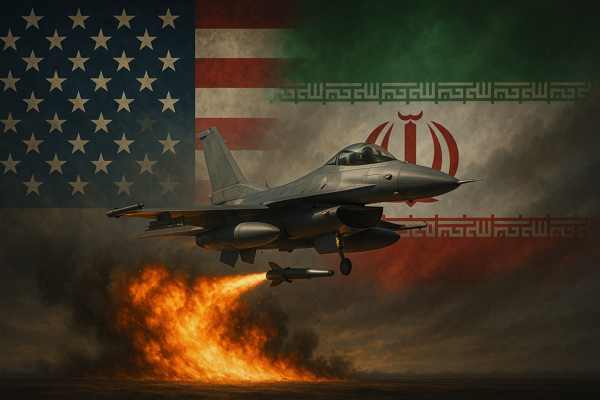
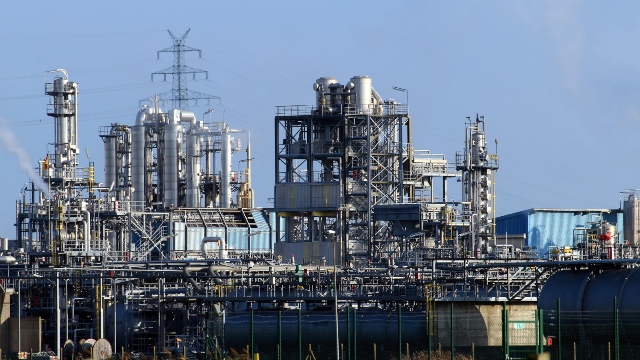
The Trump administration is quietly urging the United Arab Emirates to seize Iran’s strategic Lavan Island, a move that would put Emirati boots on the ground instead of American ones as the war with Iran stretches into its third month and depletes U.S. missile stockpiles at an alarming rate.
According to a report from The Telegraph, some officials in the circle of President Donald Trump have suggested the UAE should take the island, which serves as one of Iran’s key offshore oil export centers. The proposal reflects a broader and increasingly desperate effort to reduce direct American military exposure in a conflict that has already cost the United States roughly $29 billion, according to Pentagon officials who testified before Congress this month.
Behind the scenes, the UAE has already emerged as a hostile base for U.S. and Israeli operations, carrying out covert strikes on Iranian targets including an attack on Lavan Island in April. Now Washington wants Abu Dhabi to go further, to seize territory outright and deepen its role in a war that few American allies are willing to join.
Key points:
- U.S. officials are encouraging the UAE to seize Iran’s Lavan Island, a key oil export hub.
- The war with Iran has cost the U.S. roughly $29 billion, depleting missile stockpiles.
- The UAE has already carried out covert strikes on Iranian targets, including Lavan Island.
- European NATO members including Germany, Spain, and the UK have distanced themselves from the conflict.
- Iran has retaliated against the UAE with more than 2,800 missiles and drones.
- Israeli Prime Minister Benjamin Netanyahu made a secret visit to the UAE during the war.
- Saudi Arabia has resisted Emirati efforts to organize a coordinated Gulf military campaign against Iran.
The hidden costs of a three-front war
The numbers coming out of Washington are staggering. The Pentagon has told Congress that the war with Iran has consumed $29 billion in just three months, much of it tied to missile expenditures and air-defense operations. THAAD interceptors, Patriot systems, and Tomahawk cruise missiles have been fired at rates that defense analysts now describe as unsustainable. Weeks of intensive strikes have significantly depleted American stockpiles, forcing the Pentagon to accelerate efforts to replenish inventories with lower-cost mass-produced weapons developed by newer defense firms. The traditional military contractors cannot keep up with the demand, and the United States is now shopping for cheaper alternatives while simultaneously pressing allies to carry more of the burden.
The problem for Washington is that most allies are not interested. European NATO members including Germany, Spain, and the United Kingdom have publicly distanced themselves from the war. They have refused to deepen their direct participation in the conflict, even as Washington has pressed them for greater military involvement including naval operations in the Strait of Hormuz. This leaves the United States with a shrinking pool of regional partners willing to take risks. The UAE has moved the closest to Washington and Israel during this war, but even Abu Dhabi has faced devastating retaliation.
The Emirati gamble and Iranian retaliation
Iran has accused Abu Dhabi of serving as a hostile base for U.S. and Israeli operations, and the evidence supports that charge. The Wall Street Journal reported this week that the UAE secretly carried out multiple attacks on Iranian infrastructure and military sites throughout the war, including strikes on a refinery on Lavan Island in early April. That attack was reportedly coordinated with Israel and came after multiple secret visits by Mossad Director David Barnea to the UAE. Israeli Prime Minister Benjamin Netanyahu also made a secret visit to the UAE at the height of the conflict, a trip that his office said led to a historic breakthrough in relations between Israel and the United Arab Emirates.
The UAE has not acknowledged these attacks, nor has its government commented on visits from Barnea or Netanyahu. The Emirati Foreign Ministry denied that Netanyahu had made an undeclared visit to the country, stating that relations with Israel are not based on secrecy or covert arrangements. But the denial rings hollow given the mounting evidence. Iran has retaliated aggressively, pummeling targets across the UAE with more than 2,800 missiles and drones in the weeks following the opening of the war. Tehran struck Al Dhafra Air Base in Abu Dhabi, from which Iranian officials claim American jets took off to attack an elementary school in Minab on the opening day of the war, killing more than 160 schoolgirls. Iran also struck U.S. infrastructure at Jebel Ali Port in Dubai.
A reluctant Saudi Arabia and the fragmentation of Gulf unity
The push for Emirati seizure of Lavan Island comes amid a deeper fragmentation of Gulf Arab unity. Saudi Arabia has reportedly conducted limited strikes against Iran but has resisted Emirati efforts to organize a coordinated Gulf military campaign against the Islamic republic. Riyadh appears unwilling to commit to a full-scale war that could threaten its own infrastructure and stability. The Saudis remember the 2019 attacks on Abqaiq and Khurais, which temporarily cut off half of the kingdom’s oil production, and they have no appetite for repeating that experience on a larger scale.
The UAE, by contrast, has chosen a different path. Its deepening ties with Israel have included the receipt of Iron Dome air defense batteries and personnel, confirmed by U.S. Ambassador to Israel Mike Huckabee. The relationship has transformed the UAE into a frontline state in the war against Iran, but the costs are mounting. Amid the fragile ceasefire, the UAE last week accused Iran of striking its territory, setting an oil facility in Fujairah ablaze and wounding three people. The United States has not condemned the attack, likely in an effort to ensure that the truce holds. But the truce is fragile, and the push for the UAE to seize Lavan Island suggests that Washington is preparing for the next phase of the conflict, one in which American troops stay home and Emirati forces do the fighting.
The former senior Trump security official who spoke to The Telegraph put it bluntly: Go take them. It would be UAE boots on the ground instead of US. That sentence captures the essence of the new American strategy. The question is whether the UAE is willing to pay the price.
Sources include:
Submit a correction >>
Tagged Under:
Al Dhafra Air Base, big government, covert strikes, debt bomb, globalism, Gulf allies, iran war, Iranian Retaliation, Iron Dome, Israel UAE relations, Jebel Ali Port, Lavan Island, military depletion, military tech, missile stockpiles, Mossad operations, national security, Netanyahu visit, Pentagon costs, Persian Gulf, regional conflict, risk, Saudi Arabia, Strait of Hormuz, Trump administration, UAE military, weapons tech
This article may contain statements that reflect the opinion of the author
RECENT NEWS & ARTICLES